
Innovative power electronics for a greener energy grid
The iPLUG project will develop novel power electronics based on multiport converters, thus facilitating the integration of multiple renewable sources, energy storage systems, and loads to the grid.
About
The increasing adoption of renewable energy technologies exerts strain on the distribution grids operating at low and medium voltage levels. Alongside this, contemporary distribution grids encounter additional obstacles such as the need for new infrastructure and the connection of diverse loads operating at varying voltage levels. To address these challenges, the iPLUG project, supported by the European Union, aims to create innovative power electronics utilizing multiport converters. These converters will enable the seamless integration of multiple renewable energy sources, energy storage systems, and loads into the distribution grid. By deploying these converters across different locations, the iPLUG project aims to alleviate grid congestion and enhance overall system performance.
Value proposition
How the use of multiport converters will reduce grid congestion and increase the efficiency of renewable energy integration?

Improved grid stability and reliability
By using multiport converters, the iPLUG project aims to reduce grid congestion and improve the stability and reliability of the electricity grid. This will help to prevent blackouts and other disruptions to energy supply.

Cost savings
By using multiport converters, the iPLUG project aims to reduce the cost of integrating renewable energy technologies into the grid. This will help to make renewable energy more competitive with fossil fuels.

Increased renewable energy integration
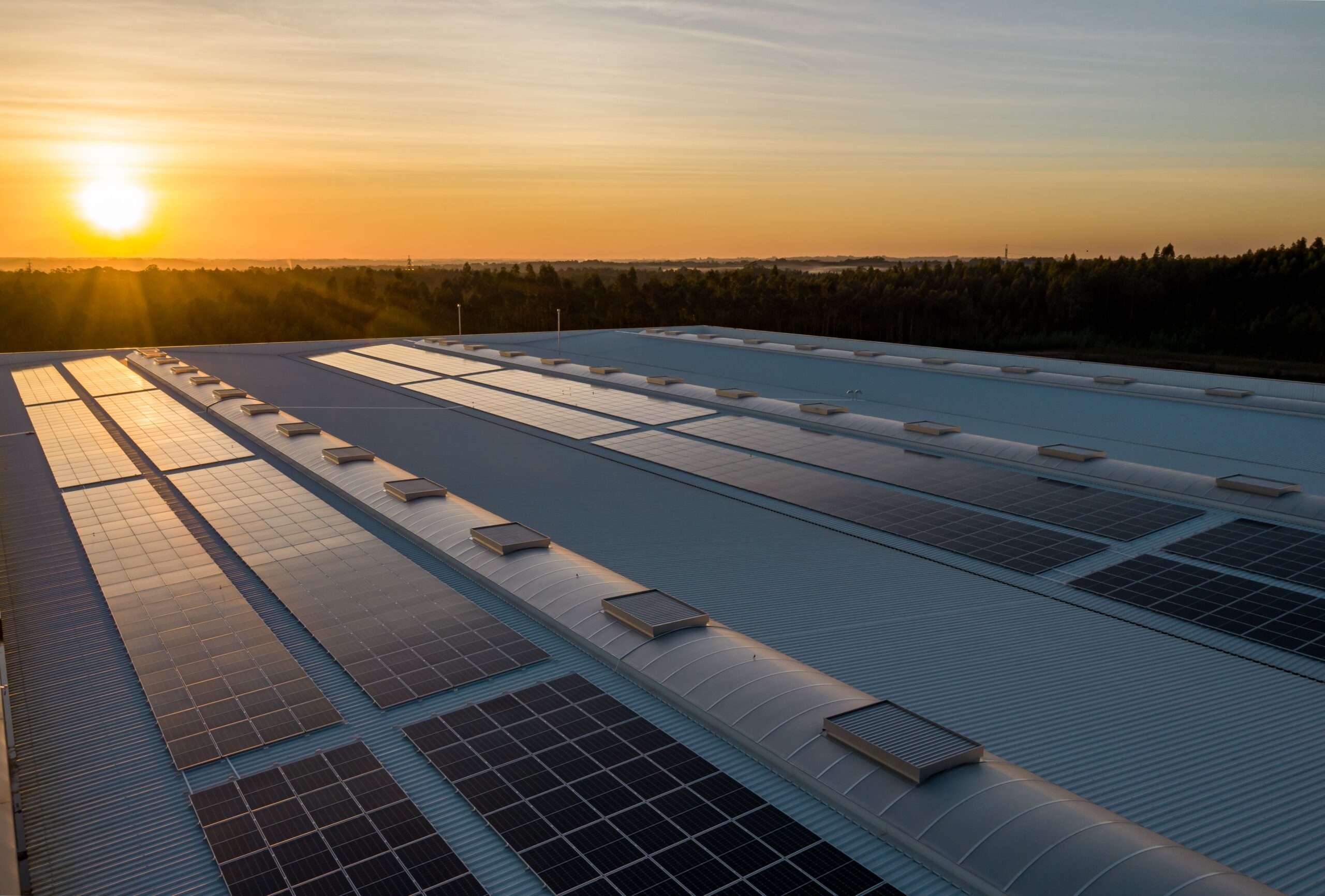
The iPLUG project will make it easier to integrate multiple renewable energy sources, such as solar and wind power, into the grid. This will help to reduce greenhouse gas emissions and promote a more sustainable energy system.

Greater flexibility
The iPLUG project will allow for greater flexibility in managing energy flows on the grid. This will make it easier to balance supply and demand and to integrate new energy storage technologies.
Latest news
Interconnection requirments for Multiport Power Converters
#Multiportconverters will integrate 3 or more ports (each with associated energy sources/sinks) with potentially multiple networks and can have time-varying objectives. As a result, the definition of interconnection requirements for multiport converters will be difficult compared to conventional converter-interfaced devices, whose requirements...
01 GA SUMMARY
Last week the first iPLUG-HE General Assembly meeting was held on the University of Strathclyde in Glasgow. The first day, a brief review of current activities was presented with focus on the results from WP1. In particular, the study cases, potential KPIs and grid requirements for #multiportconverters were summarised. The second day, different...
01 GA
The iPLUG-HE 01 GA is about to start, hosted by University of Strathclyde in Glasgow, Scotland. #horizoneurope#energy#powerelectronics CITCEA-UPC, Chalmers University of Technology, IREC - Institut de Recerca en Energia de Catalunya, Anell, Typhoon HIL, Inc., INFRAESTRUCTURES DE LA GENERALITAT DE CATALUNYA SAU, Università degli Studi di Padova...
Our team
The iPLUG project consortium is formed by the following partners:








Related Projects

Considering the needed transition towards a low carbon economy, SSTAR project is contributing to change the energy industry infrastructure starting from Solid-State Transformers (SSTs).

AGISTIN
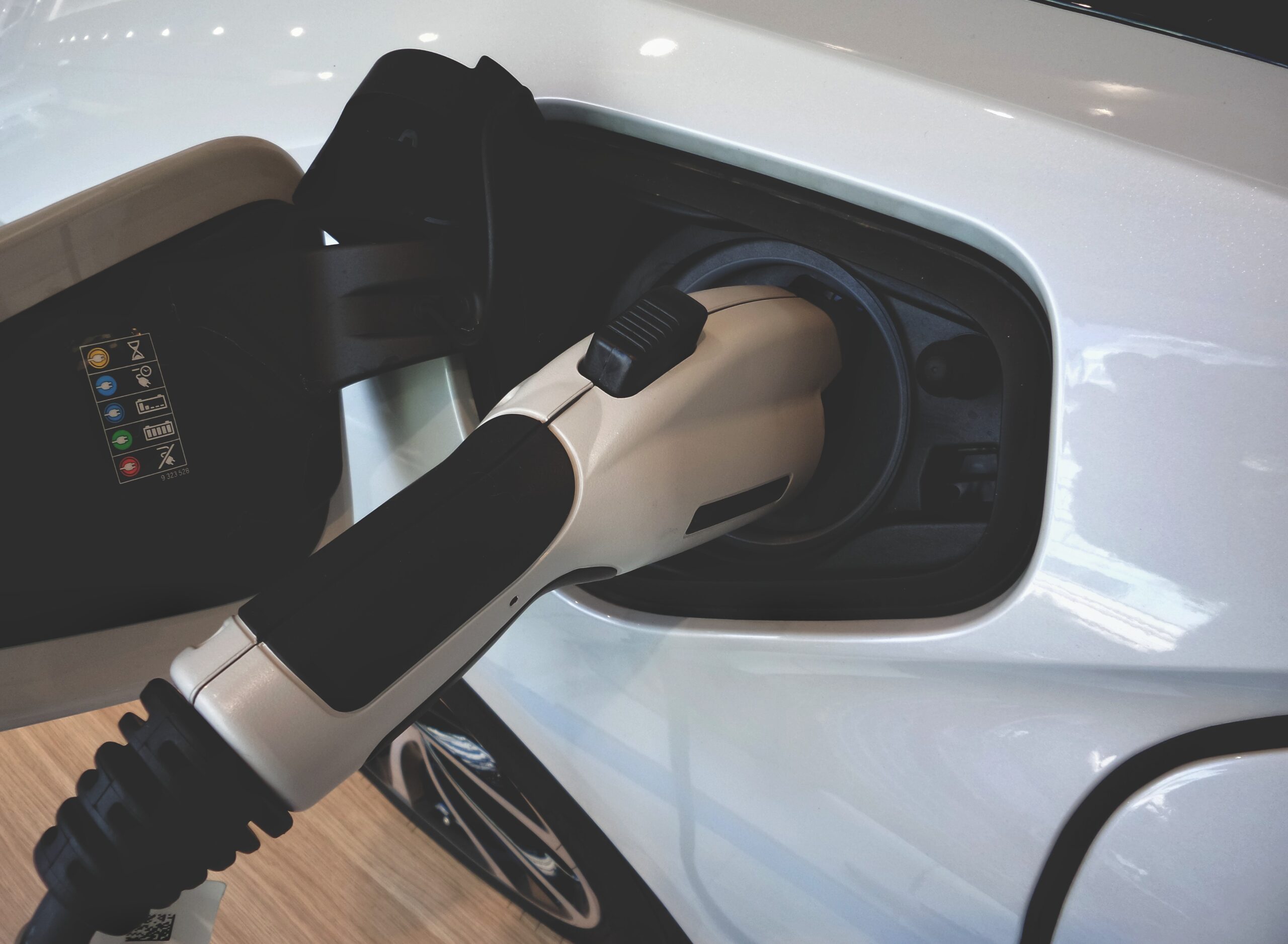
AGISTIN will design advanced grid interface for energy storage solutions that inimize the impact of new, large demands on the grid and reduce costs for large grid users through innovative storage integration. The project will carry out two demonstrations and three test activities on renewable hydrogen electrolysis, irrigation pumping and fast electric vehicle charging.